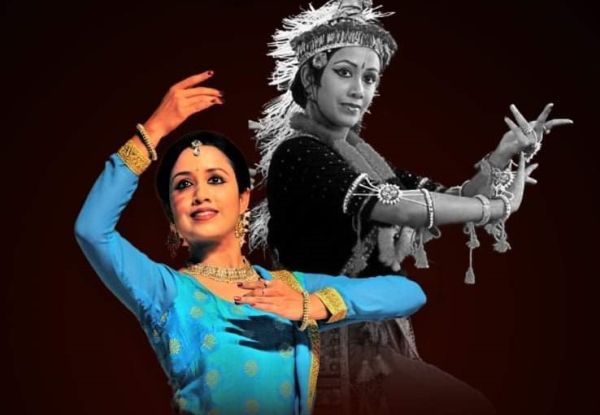
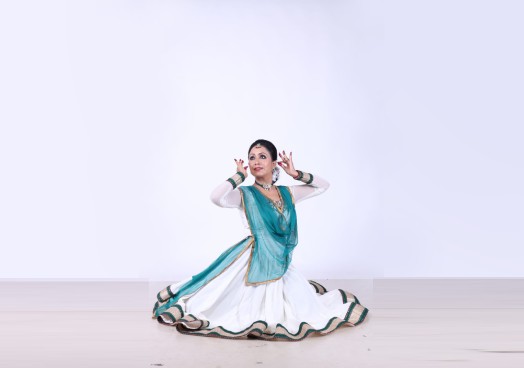
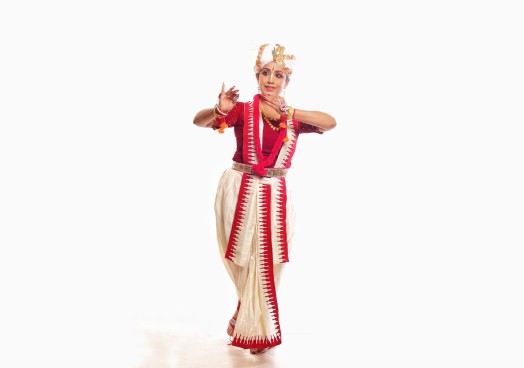
Dance has been a part of me for as long as I can remember. My mother—a celebrated dancer in her own right—didn’t just teach me steps; she shared a way of life rooted in the guru-shishya parampara, where learning is personal and profound. From childhood, I saw dance as both joyful and demanding, a craft that asks for everything you can give. Yet, I also felt the tug of society’s expectations, where dance was admired but not always seen as a ‘real’ career. Balancing my love for the art with practical concerns became a defining part of my journey.
For years, I lived two lives. My days were spent in the structured world of banking, while my evenings and weekends belonged to the rhythms and rituals of dance. These worlds couldn’t have been more different, but dance was always where I felt most like myself. Living this way taught me that we are all more than one thing—a dancer can be a banker, too. Social expectations might try to define us, but our true passions have a way of shining through.
Everything changed in my mid-twenties, when a national dance competition win led to an invitation to perform at a conference in the United States. That moment was a doorway to a completely new world. It pushed me to step outside my comfort zone and set me on a path I never could have imagined—one that would lead to both migration and reinventing myself as an artist.
Moving to the United States was both exciting and daunting. Back home in India, I had a network of mentors, artists, and friends, but I couldn’t pursue dance full-time for financial reasons. In the US, I finally had the chance to focus on dance, but suddenly, I was starting over—building new connections, finding my community, and creating a support system from the ground up.
As a woman of color and immigrant in Western arts spaces, I faced my share of challenges—feeling unseen, working extra hard to prove myself, and constantly adapting. But these difficulties also fueled my determination. I reached out, built relationships, founded a dance company and school, and shaped a practice that bridges cultures and speaks to many communities at once.
Over time, new doors opened. I collaborated with international artists, performed on bigger stages, and found ways to connect East and West through my art, teaching, and conversations. I also became a mother—an experience that added new dimensions to my identity—and earned a doctorate in dance, something I never imagined possible growing up in a middle-class family in India. That academic journey gave me new language and tools to understand and share my knowledge, letting me explore dance not just as an art, but as a field of research and cultural dialogue.
Today, my work weaves together performing, teaching, research, and building community. I care deeply about dance as a way of knowing and as a livelihood, especially for artists who face pressures to step away from their craft. I believe that creative lives are rarely straightforward; they wind through setbacks, moves, career changes, parenthood, and reinvention, but always circle back to that core creative spark.
Dance isn’t just something I do, it’s how I see and make sense of the world. It’s an ongoing conversation between tradition and innovation, East and West, heart and mind. Through performing, teaching, researching, and advocating for the art form, I hope to help others see dance as an essential part of human experience, just as it’s been for me.